
The method
One hundred and twenty minutes, counted honestly
The number is arbitrary and we know it. What matters is that it is the same number every time, that it is counted the same way every time, and that we publish the rules so you can tell when we have broken them.
Two hours is roughly the point at which a refund window closes on most storefronts, and it is also about as long as a patient person will give a game that has not yet convinced them. Reviewing that window on its own terms means a reader can decide something concrete: whether to start, not merely whether to buy.
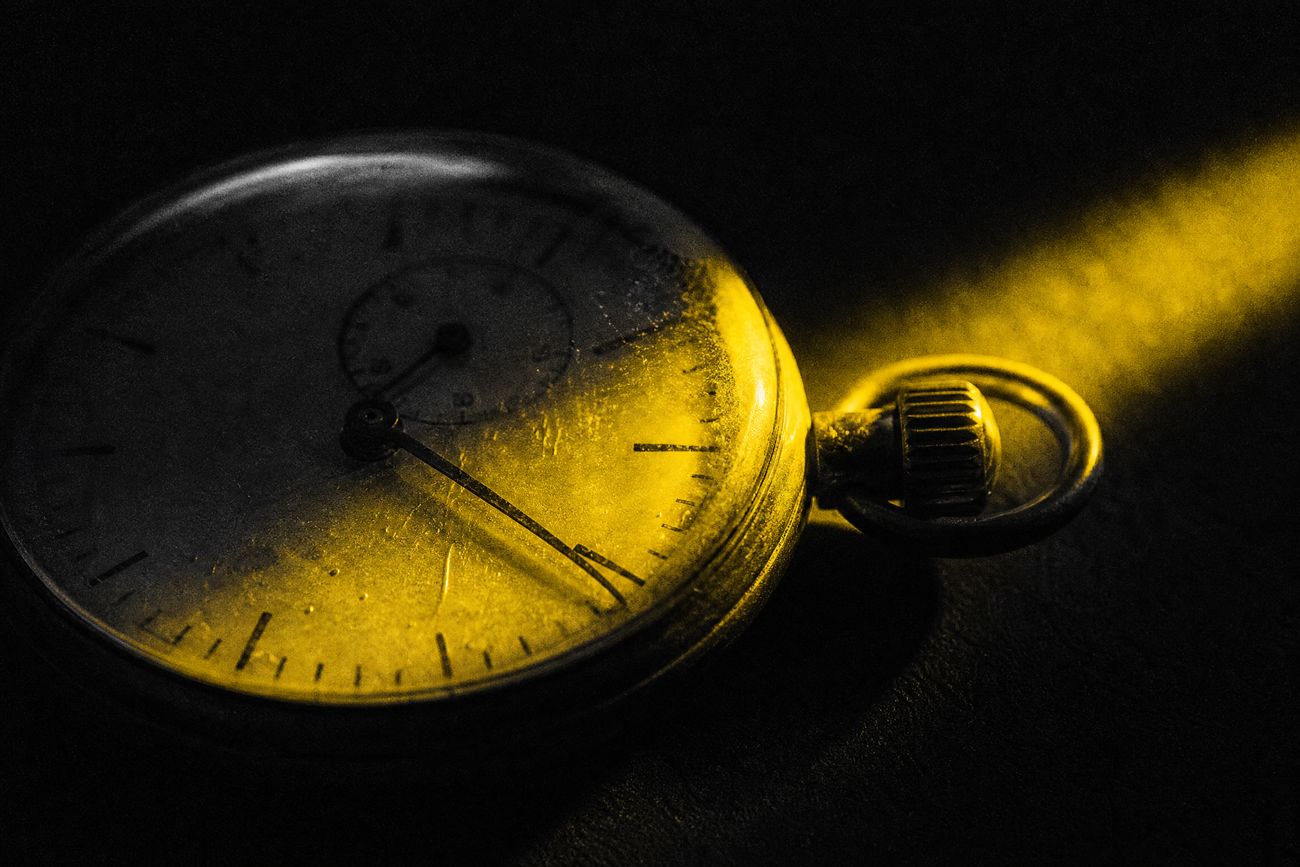
The desk stopwatch. It is mechanical because a phone timer invites you to check your messages at minute 40.
Procedure
Five rules that produce a log
-
The clock starts at first input, not at launch
Splash screens, launcher updates, and studio logos are recorded as a separate line in the log but do not consume the 120 minutes. If a game takes eleven minutes to reach the first controllable moment, that fact appears in the write-up and the stopwatch still reads 00:00 when we begin.
-
Default settings, with two exceptions
We play whatever difficulty and configuration the game selects for us, because that is what most people will experience. The exceptions are subtitles, which we always switch on, and any accessibility option required by the person logging. Both exceptions are stated at the top of the log.
-
Notes are typed live and never rewritten
Every timestamp in a published log was typed while the game was running. We correct spelling and nothing else. Where a later note contradicts an earlier one, both stay in, because that contradiction is usually the most informative thing on the page.
-
The clock pauses only for the room, never for the game
If someone knocks on the door, the stopwatch stops. If the game makes us sit through an unskippable cutscene, a loading screen, or a menu we cannot escape, the stopwatch keeps running. Waiting is part of the first two hours whether the developer intended it or not.
-
The final hour is a separate visit, weeks later
One of us plays the game to completion in their own time, then logs the last sixty minutes as a distinct document. We do this deliberately after the opening mark has been fixed and published internally, so that knowing how it ends cannot retroactively soften how it began.
Reference
What each mark commits us to
Marks are not grades and cannot be combined. The table states the exact claim we are making when we apply each one, so that a disagreement can be about evidence rather than vocabulary.
| Mark | Applies to | The claim we are making | What would overturn it |
|---|---|---|---|
| Earned | Minutes 0–120 | By minute 120 the game demonstrated its own reason to exist using material it built itself. | Showing that the effect depended on prior knowledge of another game or a marketing campaign. |
| Borrowed | Minutes 0–120 | The opening functions, but its appeal is inherited from a genre, a franchise, or licensed music. | Pointing to a timestamp where something original carried the sequence and we missed it. |
| Cold | Minutes 0–120 | After two hours we could not state what the game wanted from the player. | Evidence that the information was present and we failed to read it, including in a menu. |
| Lands | Final 60 minutes | The ending pays off systems or tone that the opening established. | Demonstrating that the payoff relied on content between the two windows, not on the opening. |
| Drifts | Final 60 minutes | The ending is competent but no longer answering the questions its beginning raised. | Naming the specific thread the finale closes that we treated as abandoned. |
| Collapses | Final 60 minutes | The final hour undoes or contradicts what made the opening worth logging. | Showing the contradiction was intentional and legible, and that we read it as failure. |
Nine logs have had a mark changed since 2020. Each revision stays visible in the entry with the date and the reader's initials, because a silently corrected review is worth less than an openly wrong one.
Objections
The questions we get most
Correct, and we do not claim otherwise. We judge two hours of a game, which is a smaller and more answerable question than judging the game. The reason it is worth answering is that those two hours are the only part every buyer is certain to play, and they are the part most reviews compress into a paragraph about "a slow start".
Because the average of "excellent opening" and "ruinous ending" is a number that describes neither, and it happens to be the same number a mediocre game gets throughout. The two marks are kept apart precisely so that a reader who cares about beginnings and a reader who cares about endings can use the same log for opposite purposes.
The original log stays exactly as written, with its build number recorded. If a patch changes something inside the first two hours, we add a dated addendum beneath the entry rather than editing the timestamps, and we re-log the window from scratch only when the change is structural. Three logs currently carry addenda.
We accept them only with no embargo attached and no expectation of timing, which in practice means we rarely receive any. Everything logged in the last two years was bought at retail by whoever logged it. When we cannot afford a title readers have asked about, we say so on the archive page instead of quietly leaving a gap.
Live-service titles, roguelikes without a terminal state, and endlessly extending simulations get an opening mark and an explicit note in place of an ending mark. We will not invent a final hour by declaring some arbitrary session to be the last one; the honest answer is that the second half of our method does not apply, and the log says so.
A method is only useful if it can be used against the people who wrote it. Every rule on this page exists so that a reader can catch us breaking it.